Chef Sigi · El Salvador
EL VIAJE
El Salvador → Spain → United States → El Salvador.
Five chapters. Facts are written plainly; art is marked as art; what is not confirmed is not invented.
SALVADORAN ROOTS
Where the kitchen begins
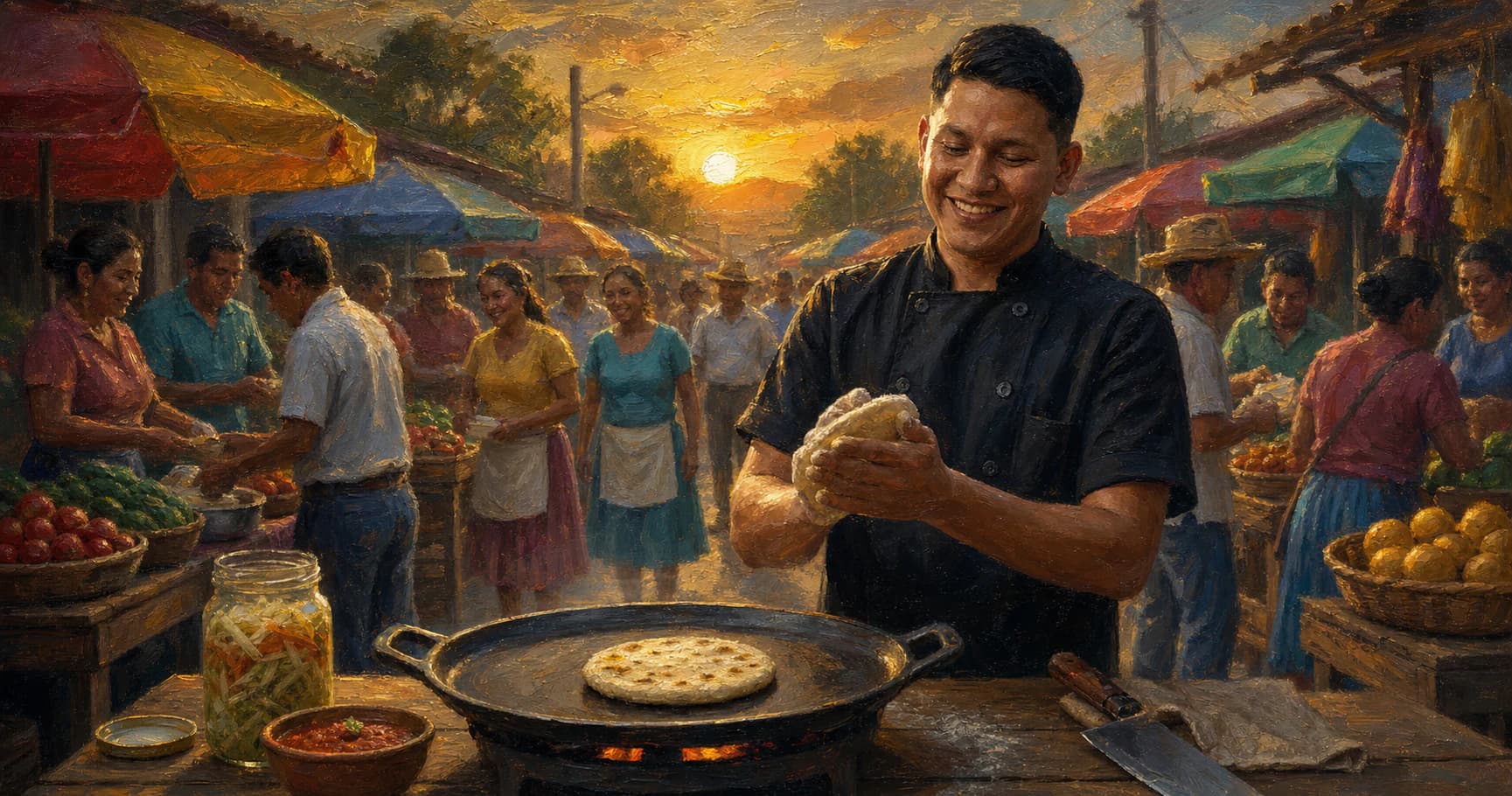
Sigi's story begins in El Salvador: fire, table, market, and the daily rhythm of a working kitchen.
Before the journey came maize, the comal, knives used for real work, and the habit of solving with the hands. That origin runs through every kitchen that followed.
The fire, the table, the work.
The journey expanded the craft; it did not replace the place from which Sigi learned to see food.
ESPAÑA
Hotel training
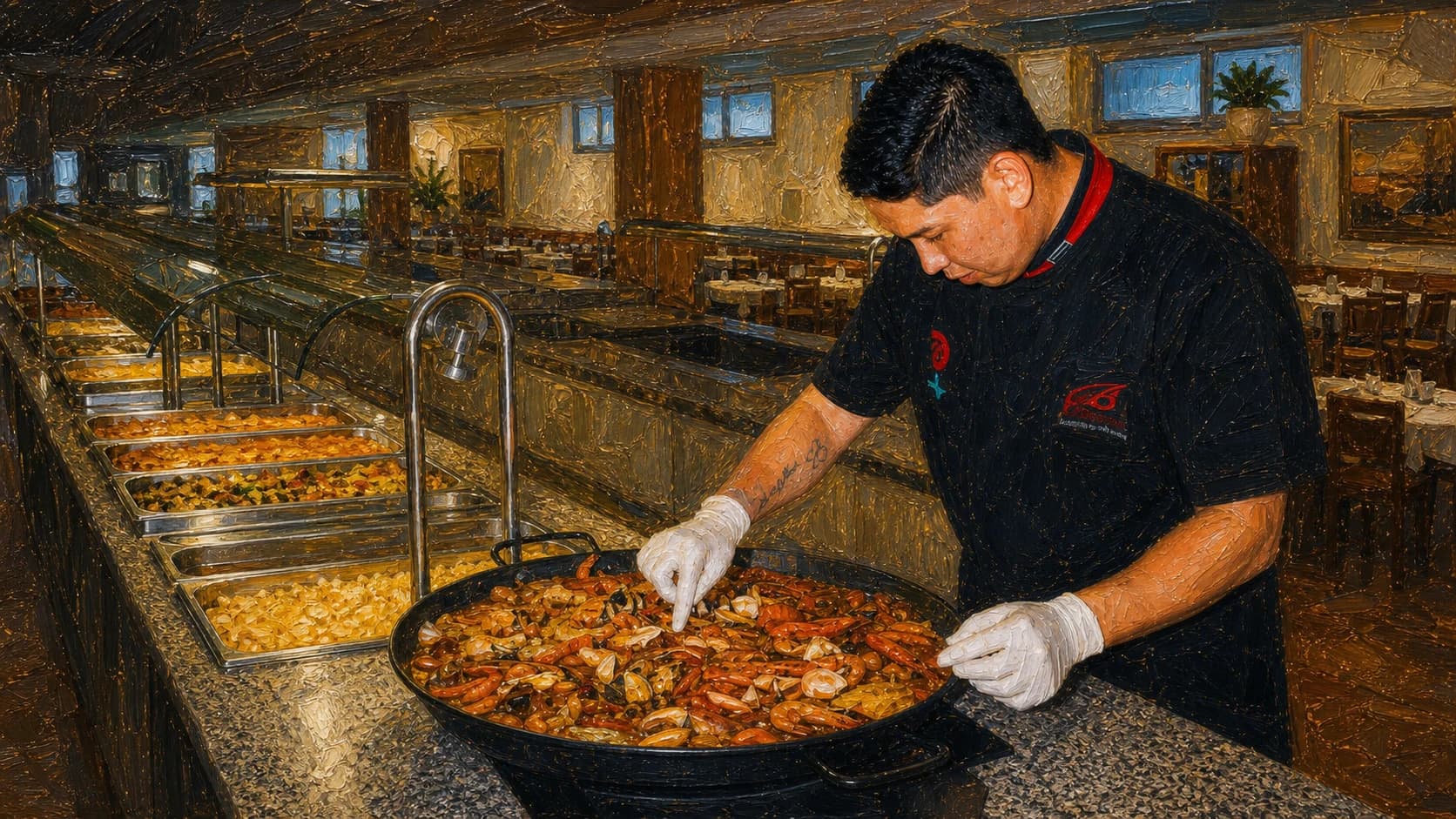
Sigi is a chef and trained in Spain. Photographs 6893–6900 and the dishes in that archive belong to this hotel-training chapter.
Training left repetition, technique, and judgment: the same task done until the hand understands why a tool works.
Technique. Repetition. Judgment.
Three kitchens · one judgment
- 01
SpainCulinary training and disciplined hotel-kitchen work.
- 02
United StatesRestaurant kitchens and continued learning.
- 03
El SalvadorThe return home—cooking, family, fire, and judgment.
UNITED STATES
Restaurant kitchens
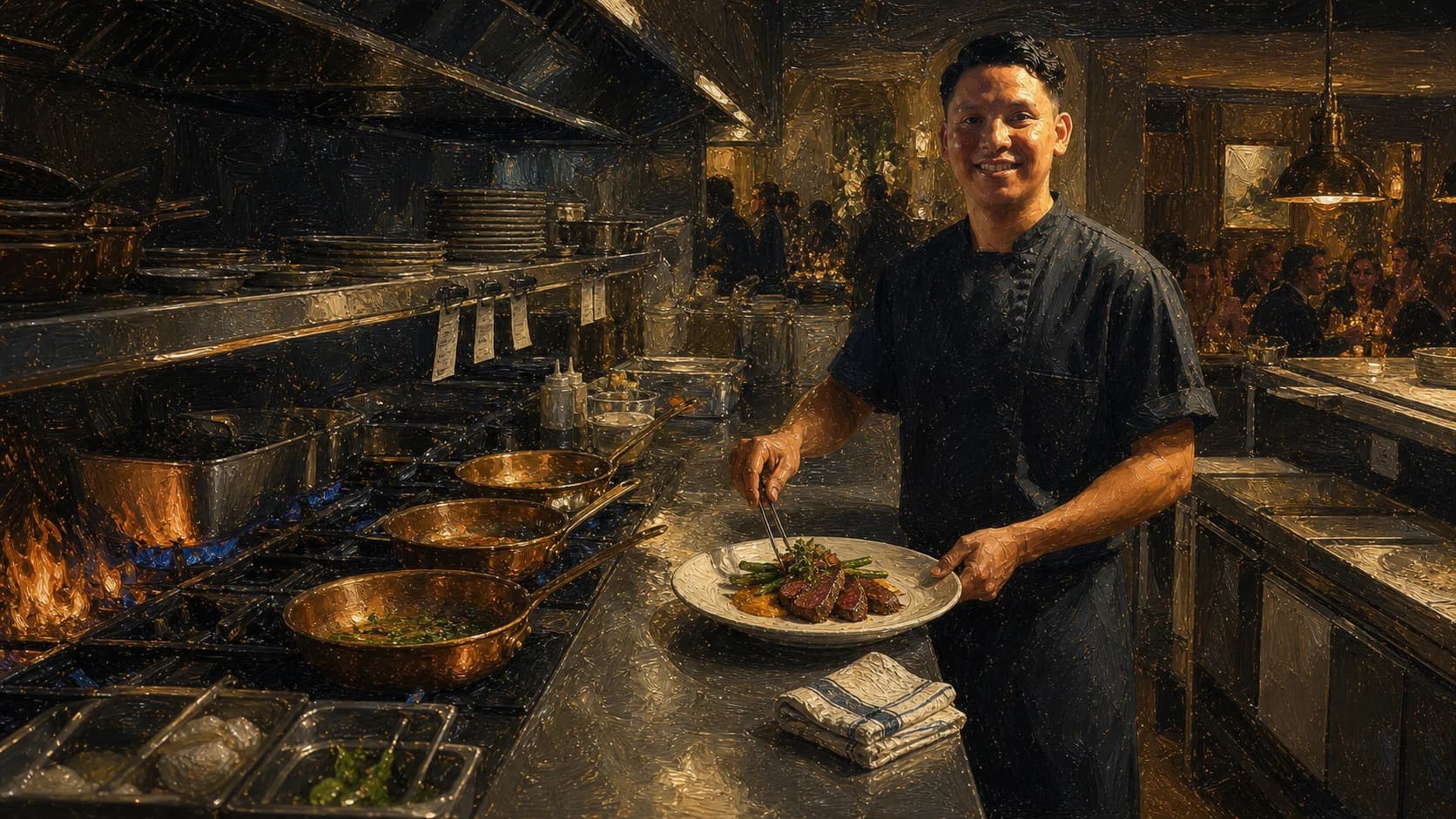
After Spain, Sigi came to the United States and cooked in restaurants to keep learning. Service added pace, repetition, and the discipline of sending every plate whole.
No restaurants, cities, or names are invented. What is confirmed is enough to tell the work: professional kitchens, real service, and continued learning.
Repetition. Pace. Service.
Story boundary
This chapter states only the owner-confirmed fact: Sigi cooked in United States restaurants to keep learning before returning to El Salvador.
The experience expanded the craft; the next movement was coming home.
RETURN TO EL SALVADOR
The kitchen today
After training in Spain and cooking in United States restaurants to keep learning, Sigi returned to El Salvador. The journey ends where it began: in a Salvadoran kitchen, now with more craft in the hand.
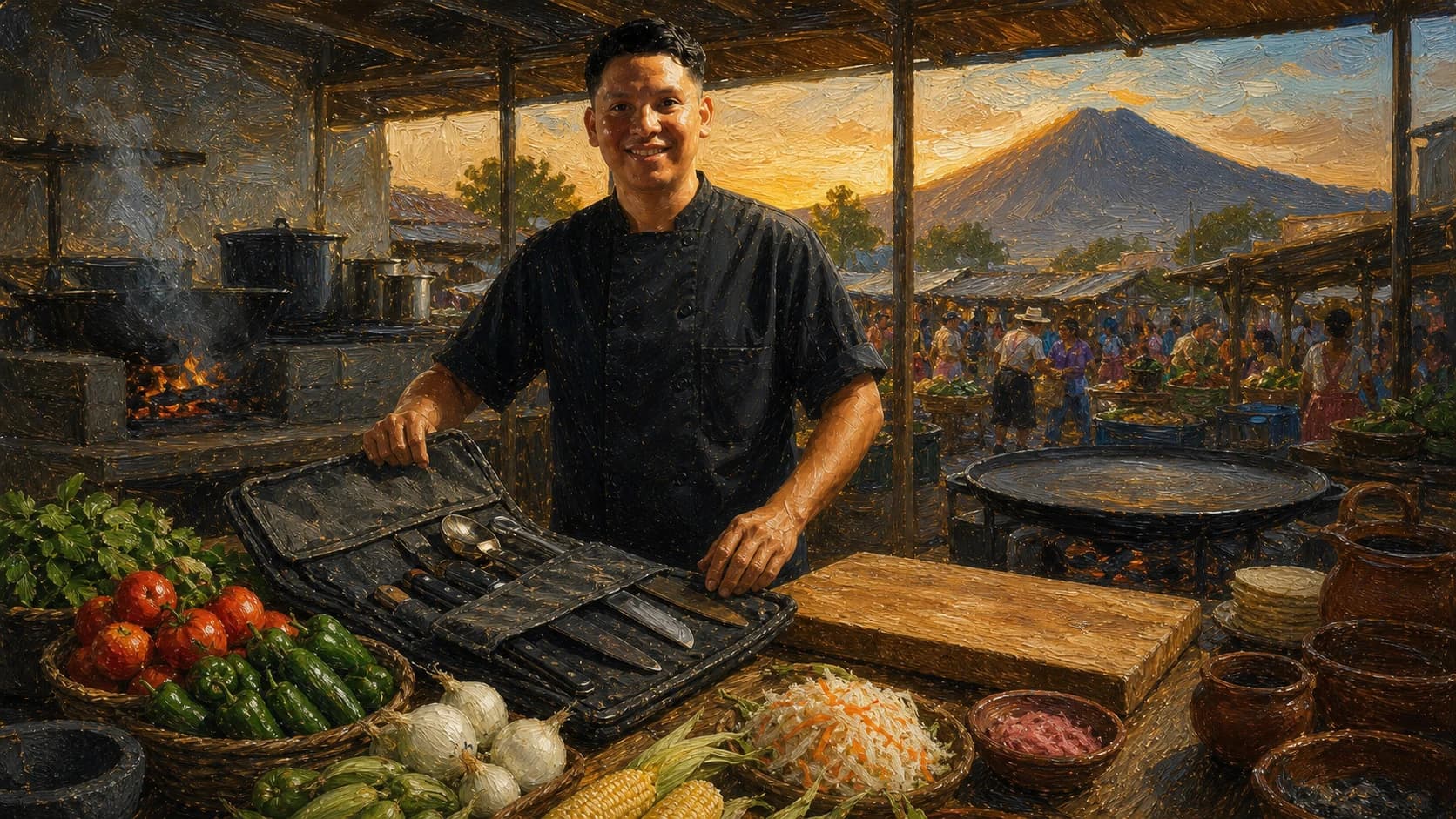
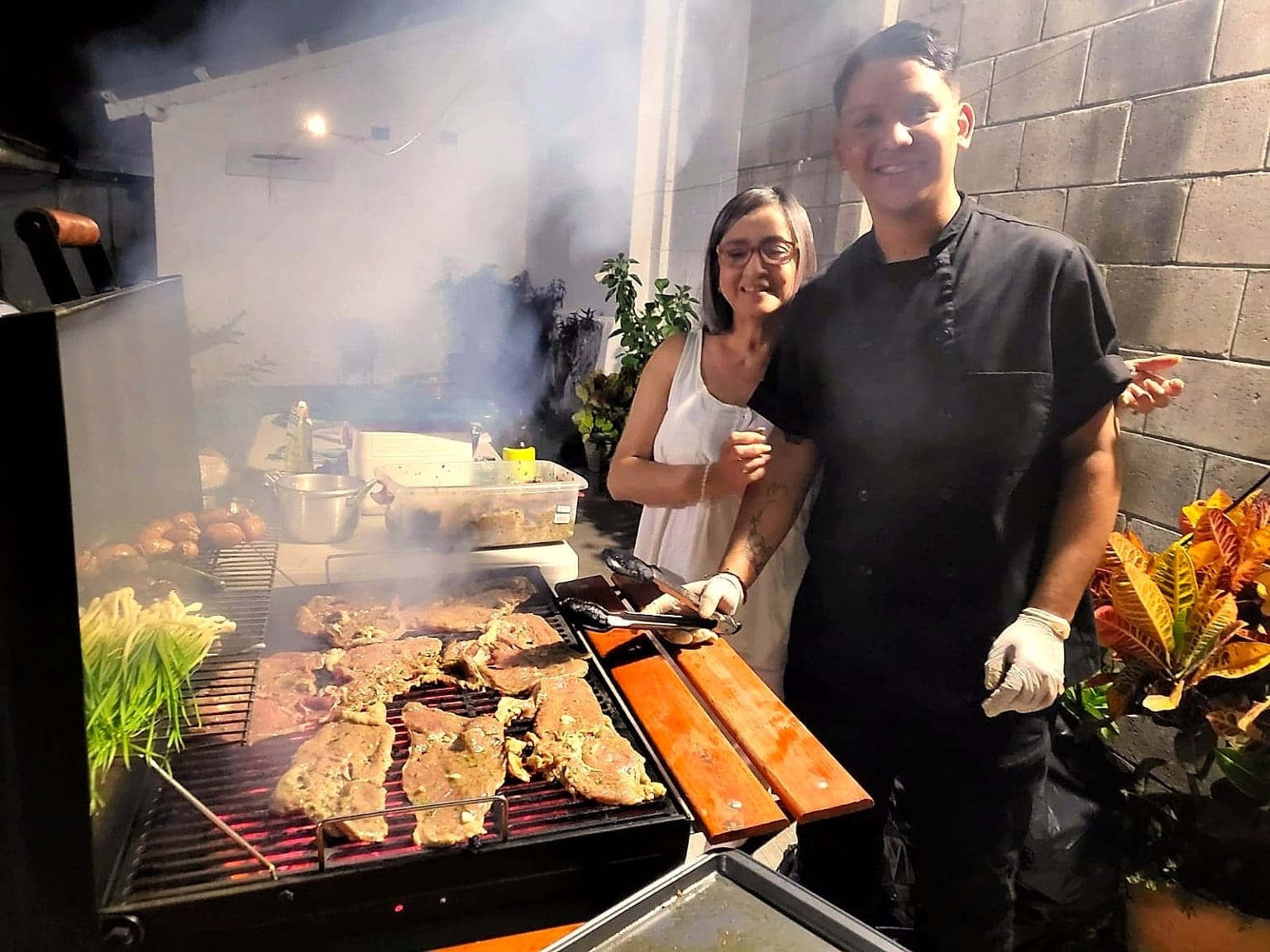
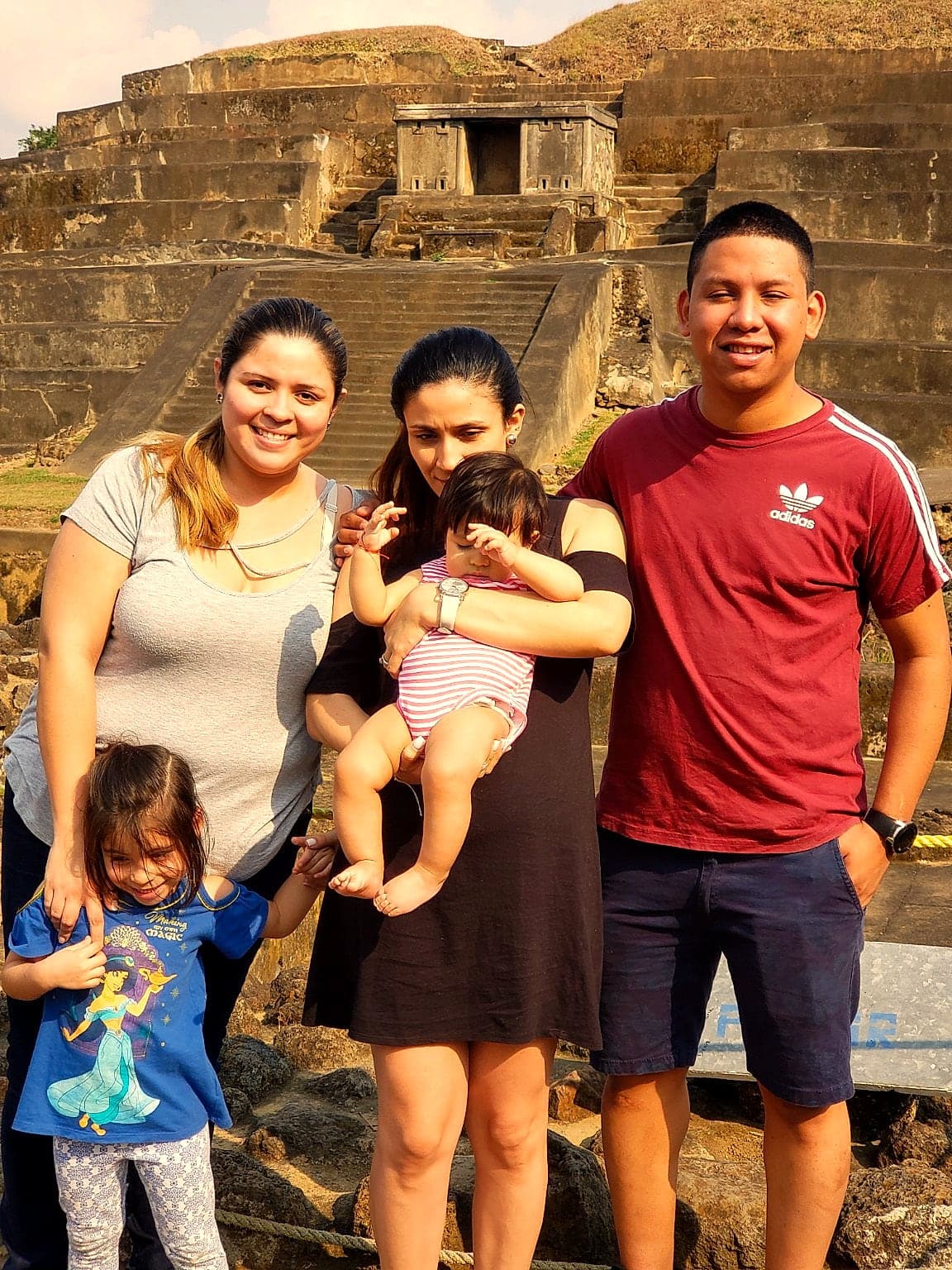
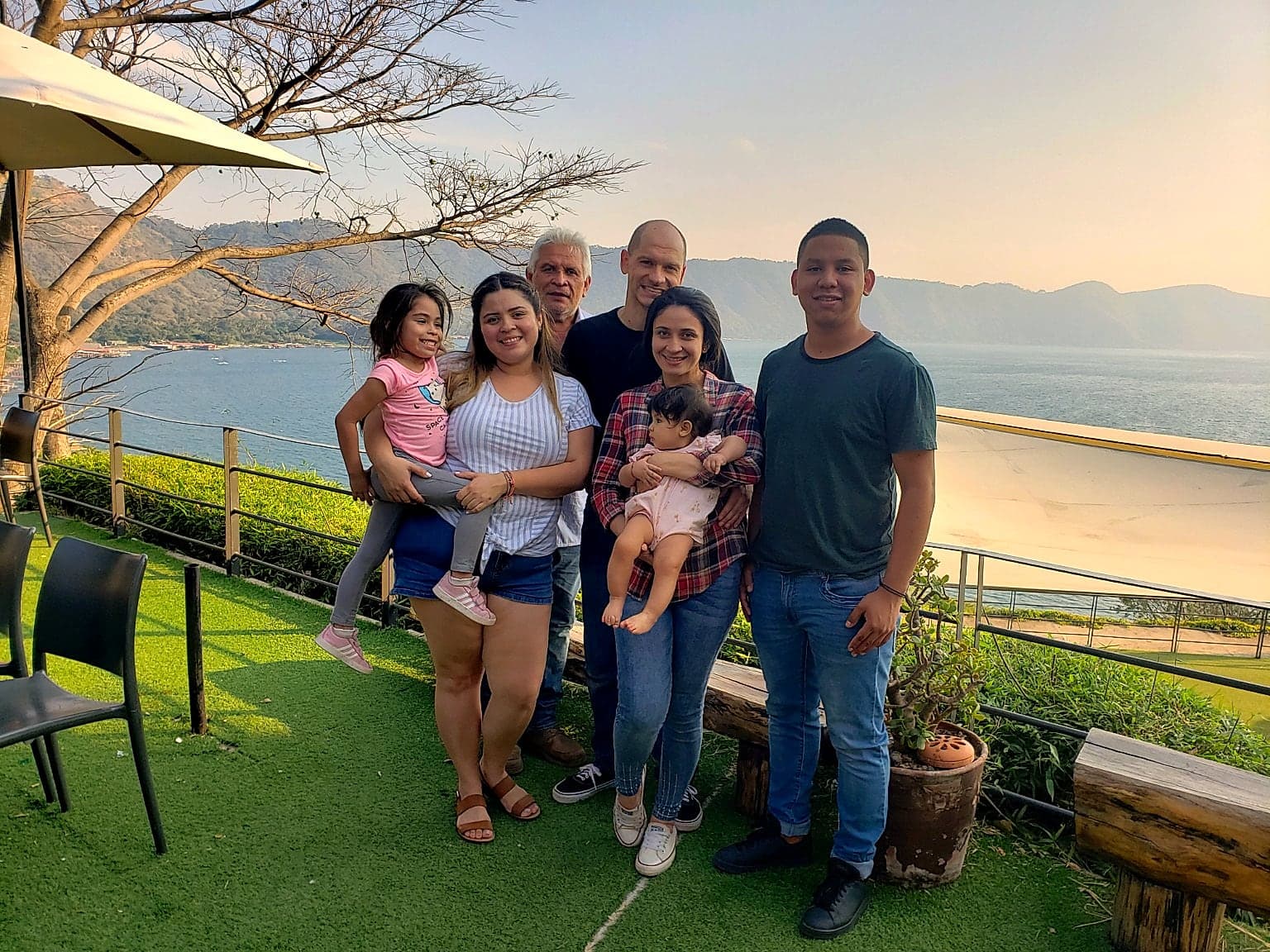
Documentary archive · today
These are the family's own photographs. Nothing staged or generated. Captions describe what is inside the frame, and stop there.
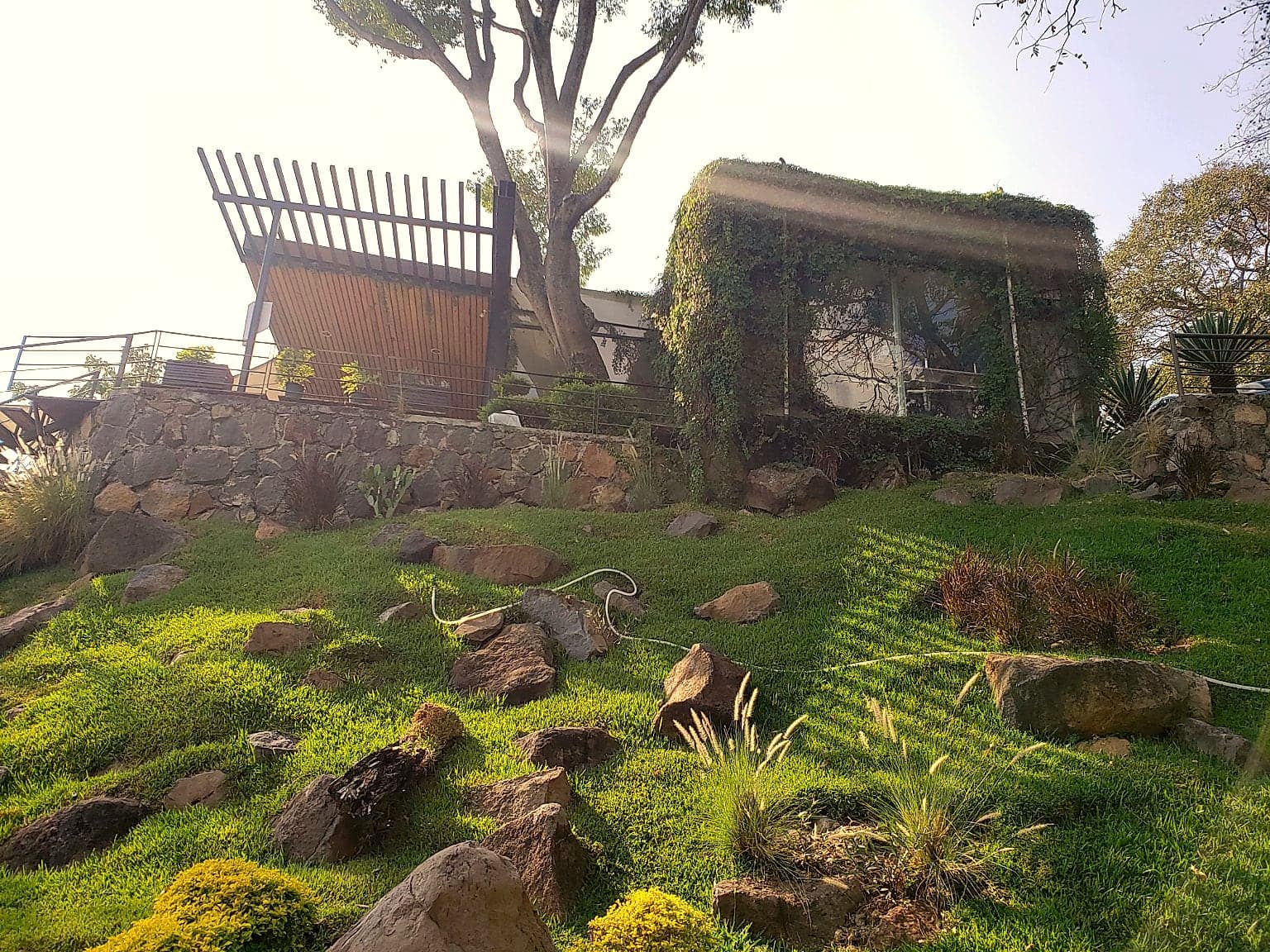
What matters in a tool
A good tool fits the hand, the task, and the way you actually cook — not the way a supplier category is named.
About these photographs
Documentary photographs carry the factual story. Labeled oil paintings carry memory and atmosphere; they are never presented as documentary proof.
Meet Sigi →YAYA’S KITCHEN
The journey returns to mother and table
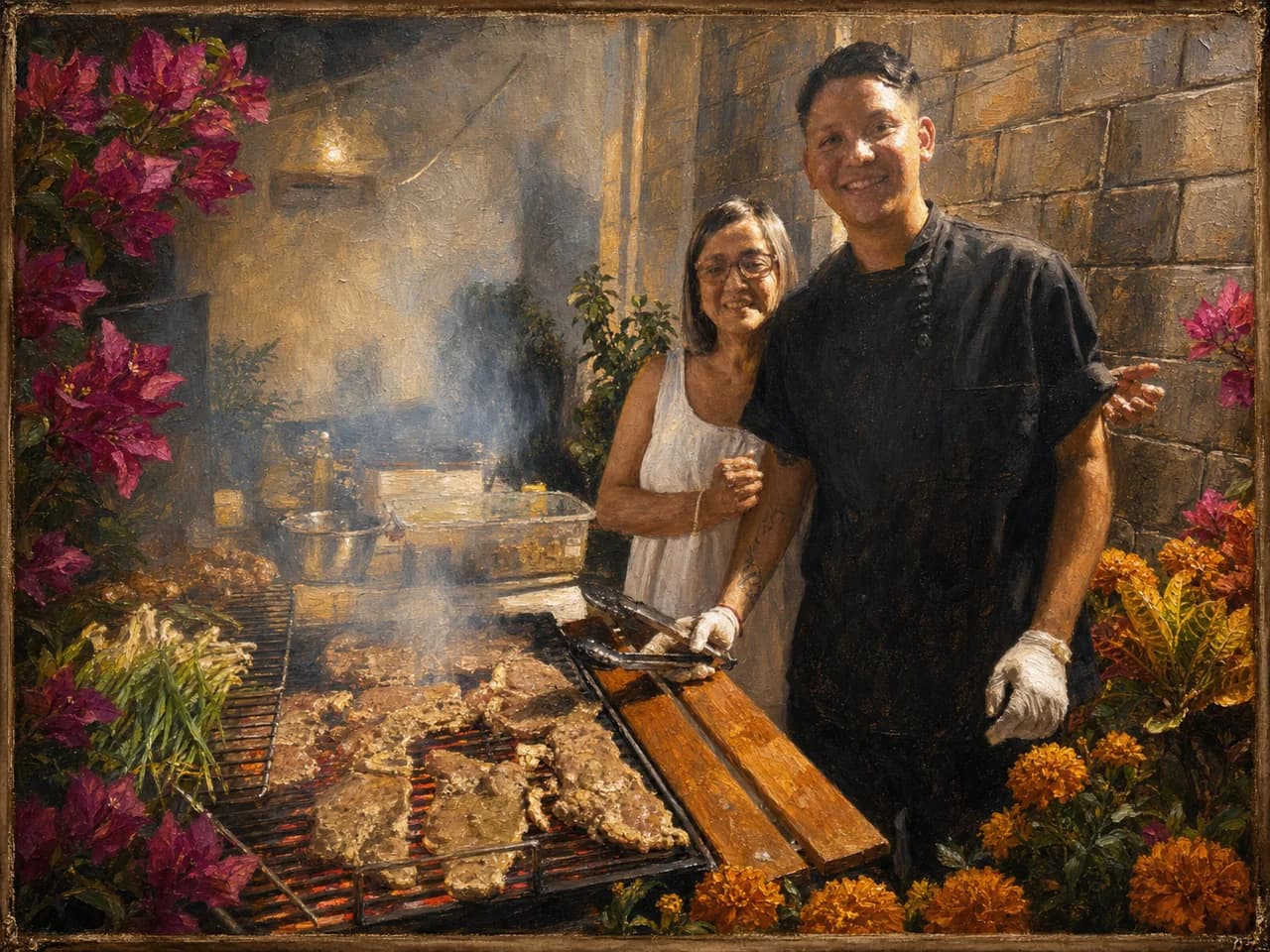
The kitchen that answers back
His mother’s kitchen was the first school. Spain added technique. The United States added pace. Returning to El Salvador meant placing all that craft beside Yaya again.
Here the two stories meet without turning into an advertisement: Yaya shares the food of the home; Sigi shares the equipment and judgment he cooks with. Each kitchen opens a door to the other because they are one family.
Coda · añil, maize, fire
THE COUNTRY HE CAME HOME TO
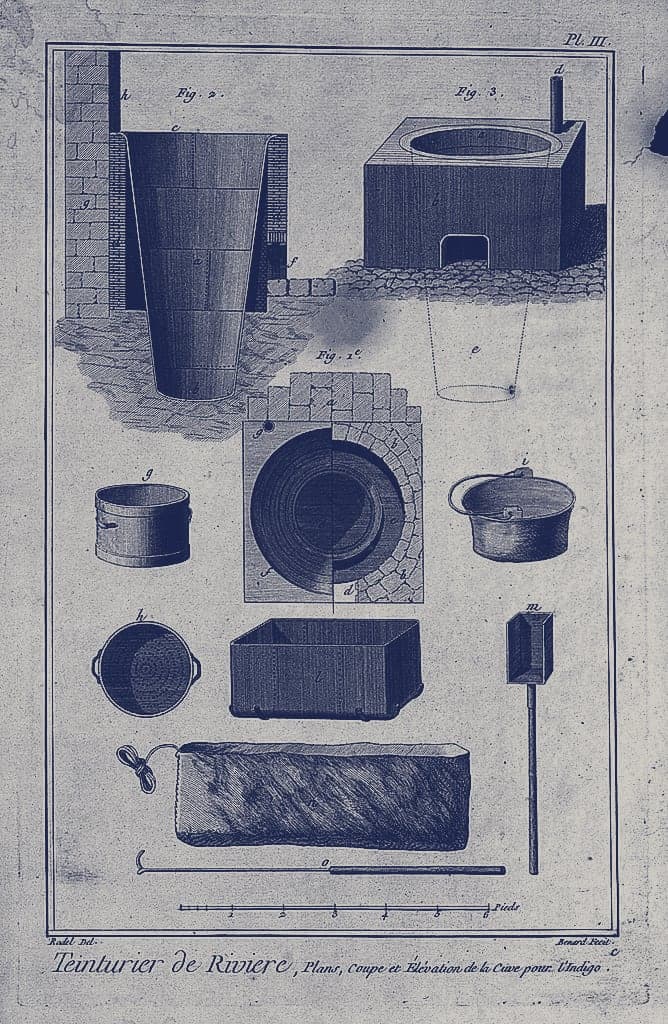
For centuries this was one of the world's great producers of añil — indigo — the blue drawn out of a shrub the country calls jiquilite: fermented, beaten, dried into hard cakes, and shipped to the dye houses of Europe.
The country that dyed the world blue.
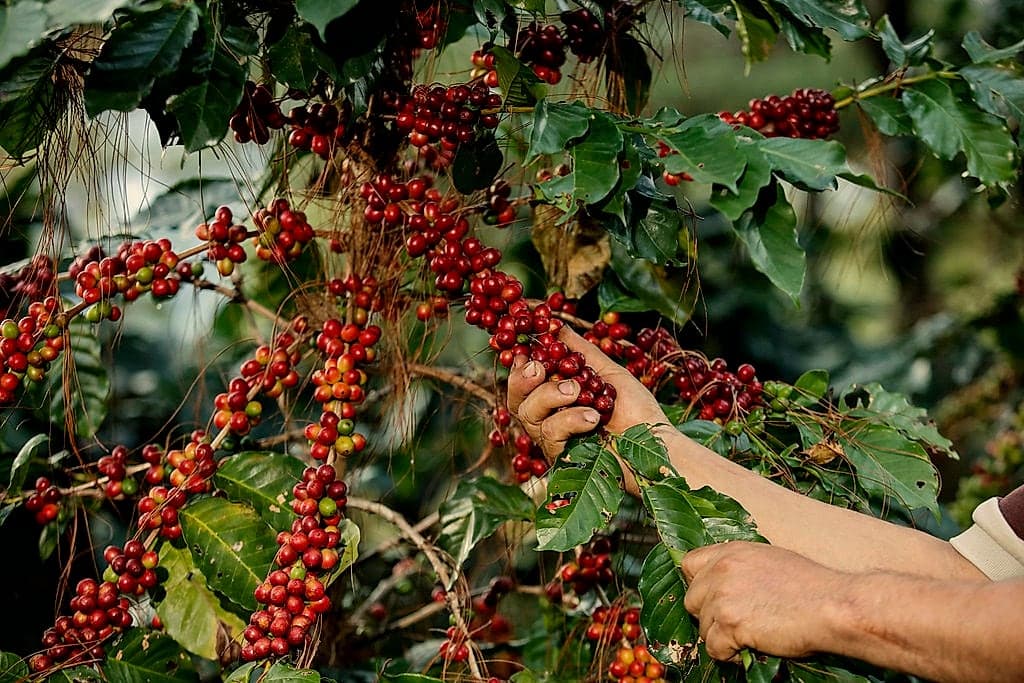
When synthetic indigo arrived, the trade collapsed and coffee took the hillsides. The blue stayed anyway — in the flag, in the textiles, and in the name of the color itself.
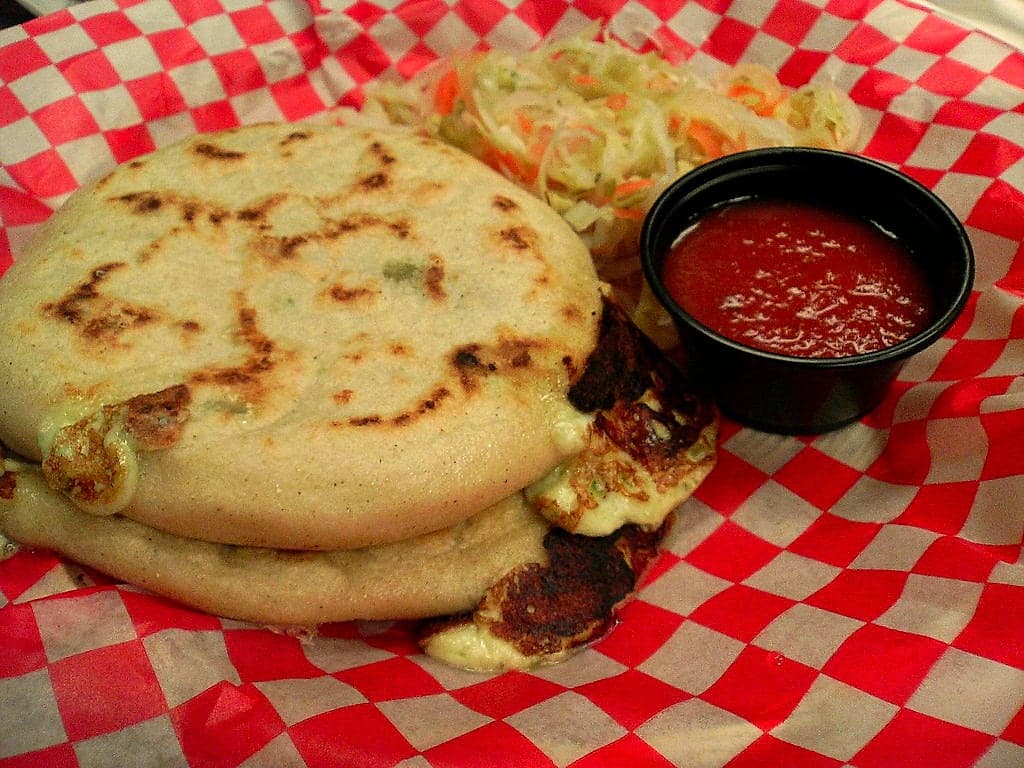
The comal
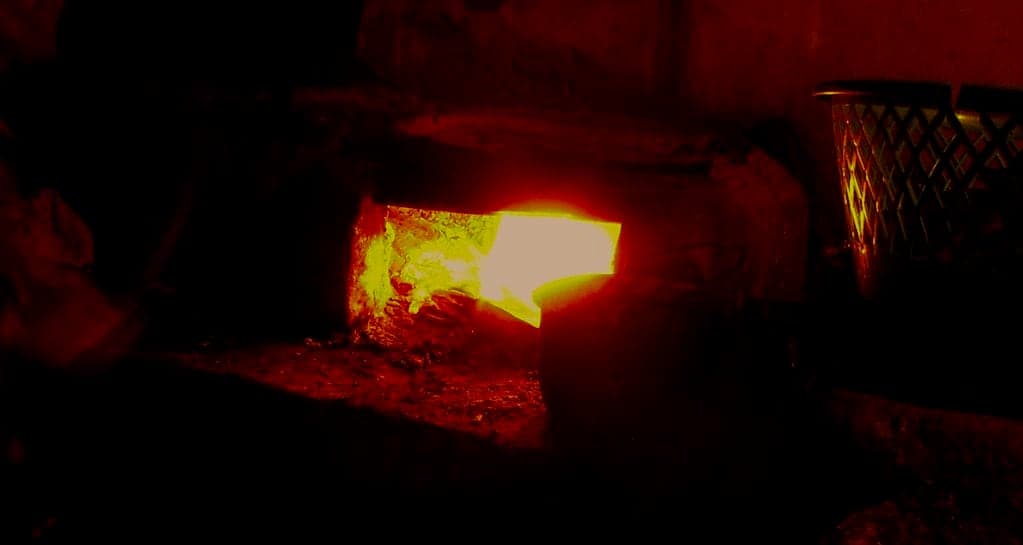
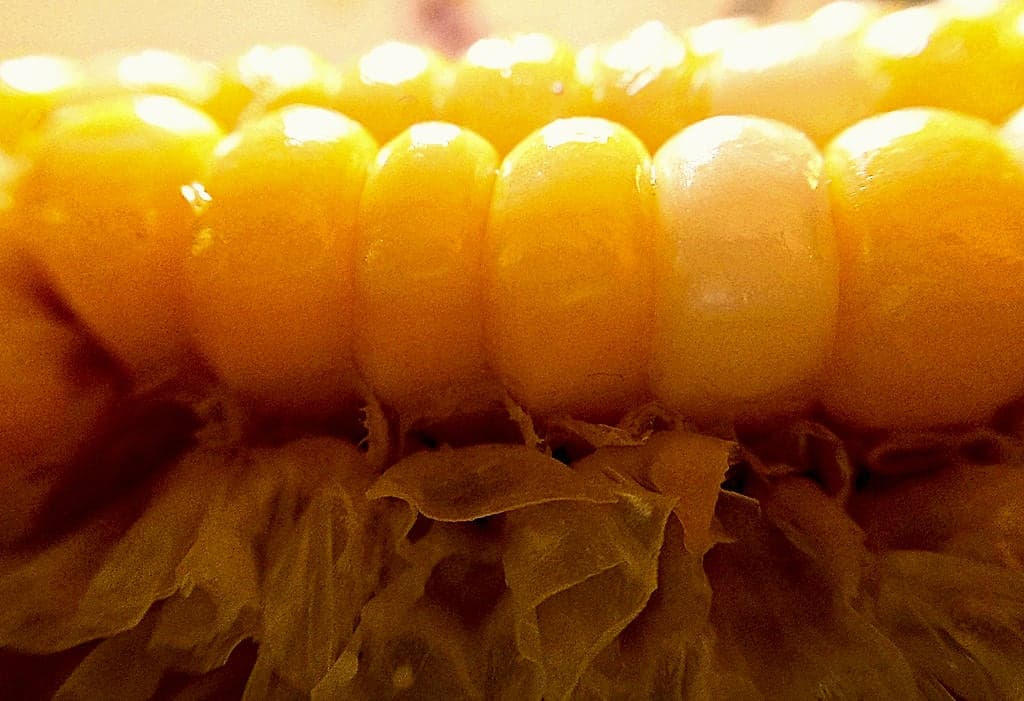
The comal is the country's stove — a flat plate of steel or clay over a wood fire. On it: tortillas, and pupusas, masa pressed by hand around cheese, beans or chicharrón, turned once, served with curtido and salsa. Maize is the floor the whole table stands on.
The Ruta de las Flores
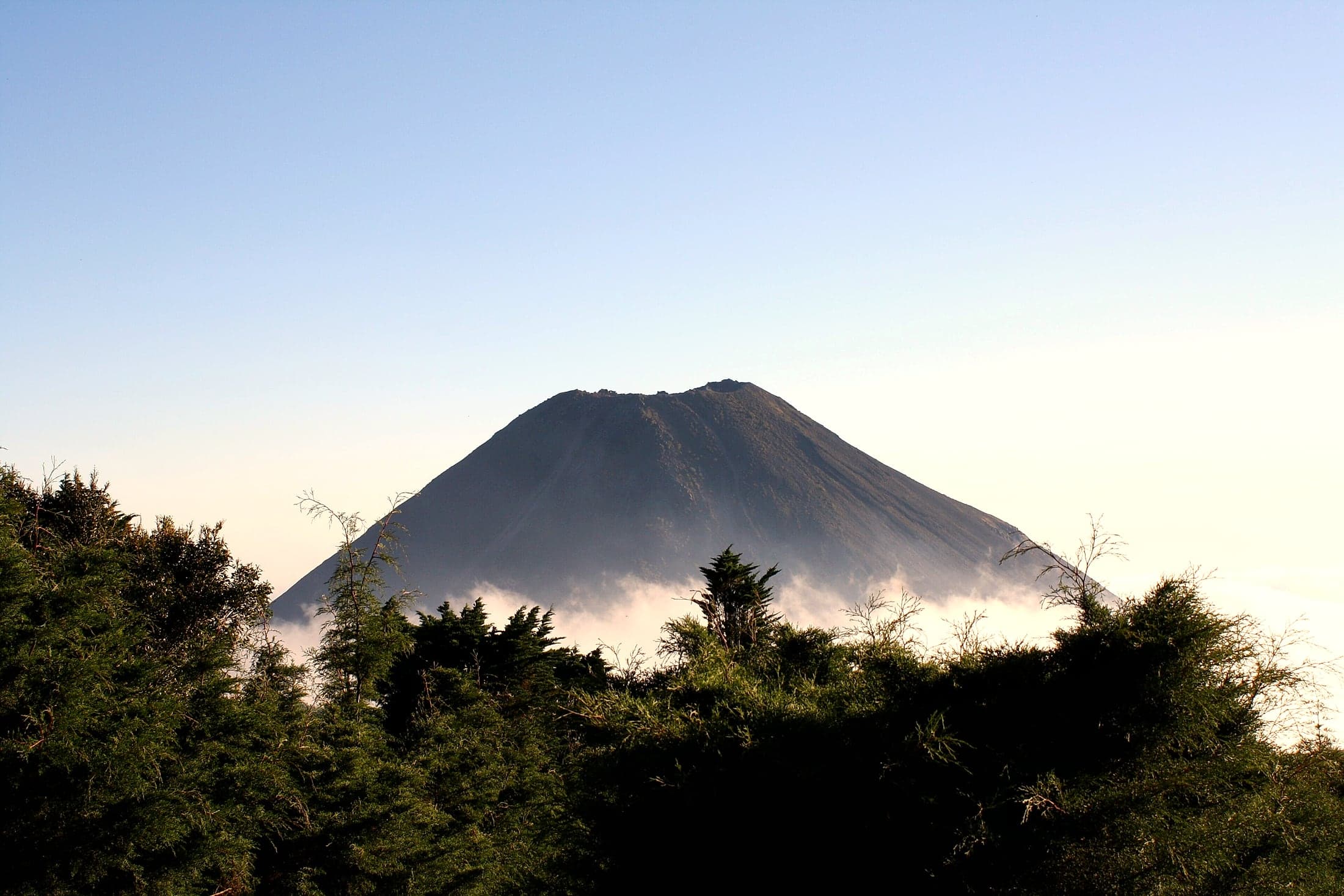
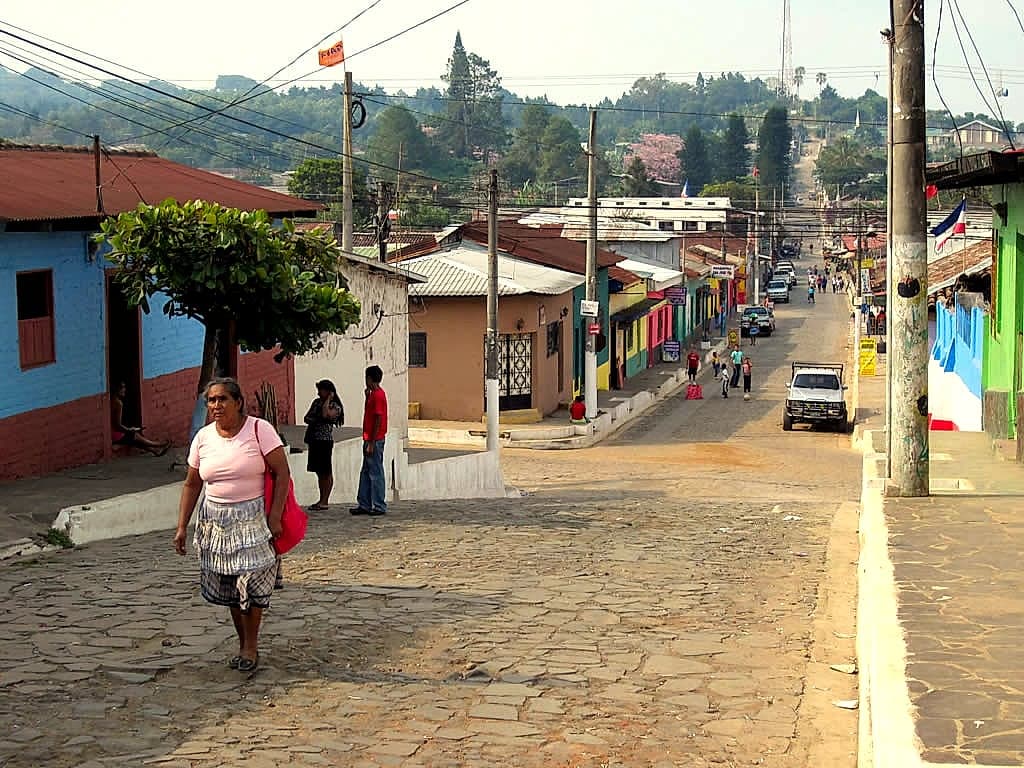
In the western highlands the Ruta de las Flores climbs up through coffee country — cobbled pueblos, shade trees, a volcano in every direction. That is the pantry the knives on this site are pointed at.

Atmosphere photography is licensed and attributed — see photo credits.
End of the journey
The journey ends at a table.
The comal, the board, the table.